
Home - Services - Property Development Loans
Formation Finance provides property development loans across the full project lifecycle, which means from site acquisition and early costs to construction drawdowns and residual stock refinance. With access to 50+ lenders, we structure senior debt, mezzanine or preferred equity solutions based on your feasibility, timeline and exit strategy, so you can move quickly with clear terms and realistic funding pathways.
| Development Site Loans | Construction Loans | Residual Stock/ Bridging Loans | Mezzanine Loans | |
|---|---|---|---|---|
| LVR (up to) | 70% | 70% | 70% | 75% |
| Loan Term | 3-24 months | 12-24 months | 3-24 months | 3-24 months |
| Rates (from) | 8.49% p.a. | 9.99% p.a. | 8.49% p.a. | 15.00% p.a. |
The lender completes due diligence, which may include valuation, review of DA/conditions, building contract, builder credentials, insurance, and QS or cost-to-complete review.
Once conditions are satisfied, the facility is formally approved and settled. Funds are then available in line with the agreed structure.
During construction, funds are released in stages as works progress which is supported by builder claims/invoices and possible inspections or QS sign-off.
At completion, the facility is repaid via sales settlements, refinance, or a residual stock solution which is aligned to your exit strategy and timeframes.
Feasibility: total development cost, contingency, margin/profit, cost-to-complete
Builder & contract: builder capability, contract type, program timeline, insurances
Progress control: drawdown process, invoices/claims, inspections or QS sign-off (where required)
Sponsor strength: track record, equity contribution, balance sheet, guarantees
Facility structure: LVR/LTC, senior vs mezzanine, preferred equity/JV, second ranking exposure
Exit strategy: sell/refinance/residual stock plan, timeframes and buffers
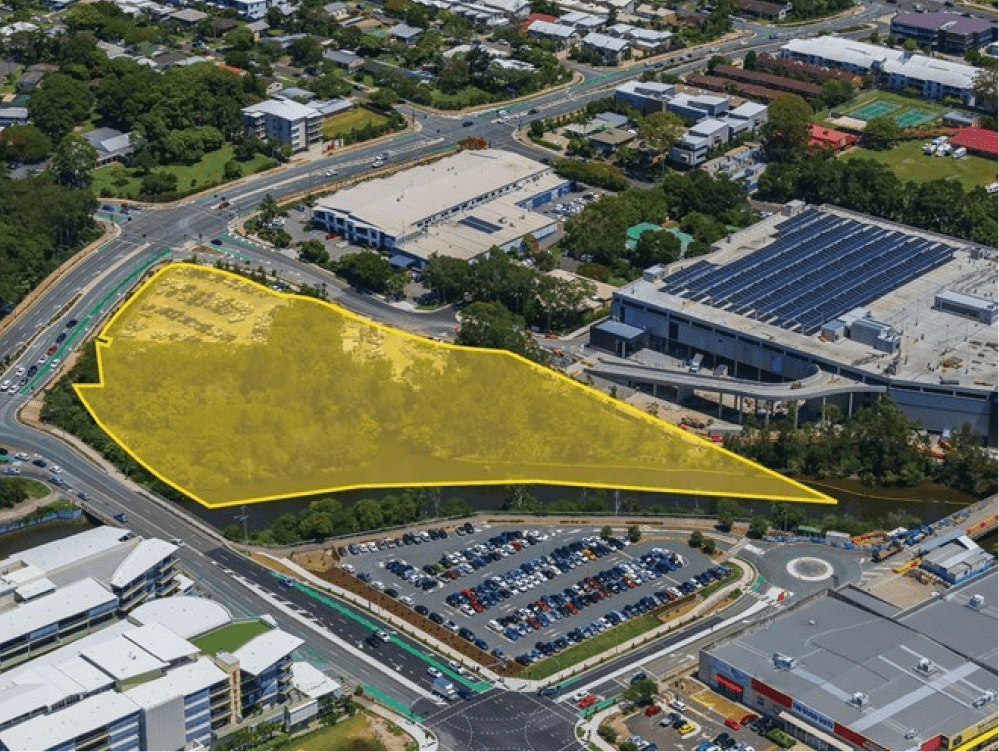

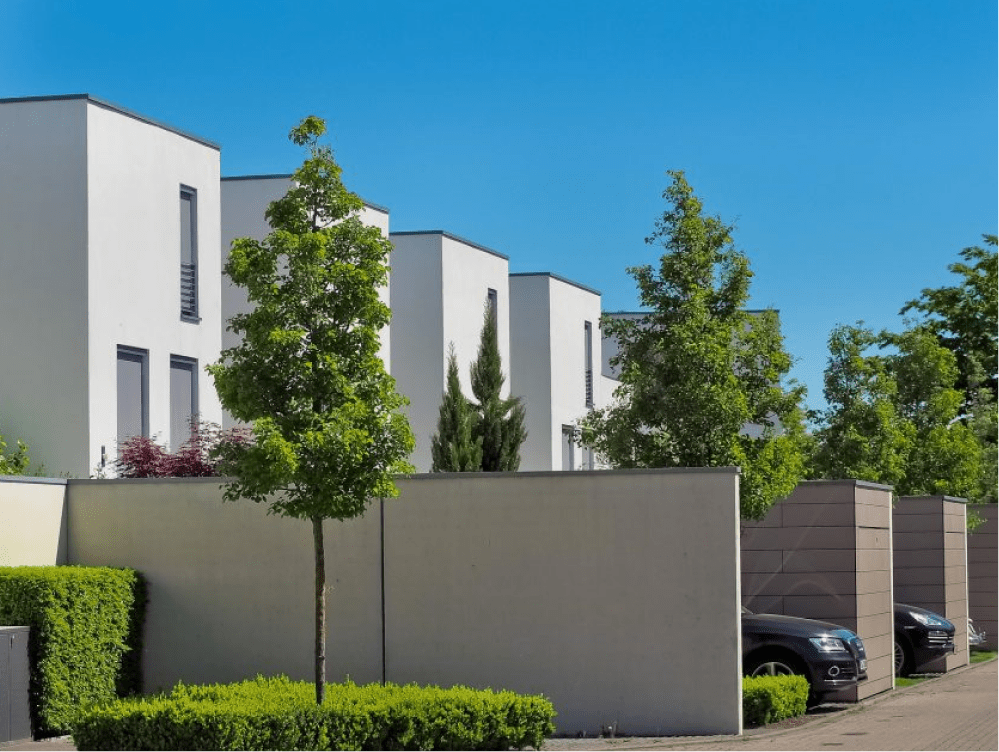



Case Study 1: Melbourne Townhouse Development
6 × 3-bedroom townhouses, inner-eastern Melbourne, VIC Challenge: Developer had a DA-approved site and a fixed-price building contract, but only one qualifying presale. Two major banks declined on presales coverage. Solution: Structured a 65% GRV senior facility with a non-bank lender at 9.95% p.a., 18-month term, no presales required, with a residual stock takeout pre-approved for any unsold units at completion. Outcome: Settled in 5 weeks. Project completed on program; developer retained 2 units as residual stock and sold 4 prior to practical completion.
Case Study 2: Sydney Site Acquisition
DA-approved site for a 12-unit boutique apartment building, inner-west Sydney, NSW Challenge: Developer needed to settle the acquisition in 30 days while still negotiating the building contract. Required an LVR above bank appetite to preserve equity for the construction stage. Solution: 12-month land facility at 68% LVR, interest capitalised, with a roll-over option into construction once the building contract was finalised. Outcome: Settlement achieved in 18 business days. Facility rolled into construction four months later with the same lender, avoiding a second establishment fee.
Case Study 3: Brisbane Residual Stock
14 completed townhouses, southern Brisbane, QLD; 5 unsold at practical completion Challenge: Construction facility was approaching expiry. Developer wanted to release equity from the 9 settled units to fund the next site acquisition — without discounting the remaining stock. Solution: 70% LVR residual stock facility against the 5 unsold townhouses, 18-month term, allowing the developer to market the stock at full price. Outcome: Equity release of $1.6M deployed into the next site acquisition. All 5 residual units sold within 9 months at full asking price.
Property development loans provide funding for residential, commercial, or mixed-use projects, covering land acquisition, construction, and refinancing upon completion (e.g. residual stock loans).
Property development finance is typically structured in stages, with funds released progressively as construction milestones are met.
Property developers, builders, and investors commonly using a corporate entity (e.g. company, trust) can apply for property development finance to fund their projects.
Loan amounts vary based on project size, costs, and expected returns. Lenders assess feasibility, borrower experience, and market conditions.
Loan amounts are generally calculated using LVR (Loan to Value Ratio). It compares the loan amount to the appraised ‘as is’ value and ‘as if complete’ / ‘upon completion’ value of the property or project being financed.
Formula:
LVR = (Loan Amount / Property Value) × 100
For example, if you’re buying a development site worth $1,000,000 and borrow $700,000, your LVR would be 70%.
For construction loans, if you’re developing 10 townhouses worth $10,000,000 upon completion and borrow $7,000,000, your LVR would be 70%.
Not always. Site acquisition loans can be approved without a DA in place, although LVRs are typically lower (50–60% rather than 65–70%). Construction facilities always require a DA. If your project is pre-DA, the financing is usually structured in two stages — site acquisition first, then construction once approvals are granted.
Foreign-resident borrowers and corporate structures with foreign shareholders can access property development finance in Australia, generally through non-bank or private lenders rather than the majors. FIRB (Foreign Investment Review Board) approval is required for the underlying property acquisition. Pricing is typically 1–2% higher than equivalent domestic facilities.
Minimum equity contribution is usually 20–25% of total development cost on a senior debt facility (i.e. LTC capped at 75–80%). With mezzanine finance added, equity contribution can drop to 10–15%. Preferred equity or JV structures can reduce this further, sometimes to as little as 5%.