

Feasibility model, budget breakdown, DA documents
Building contract/quotes, program schedule, insurance certificates
QS/cost report (if required), sales evidence/presales (if required)

Home - Services - Property Development Loans
Formation Finance provides property development loans across the full project lifecycle, which means from site acquisition and early costs to construction drawdowns and residual stock refinance. With access to 50+ lenders, we structure senior debt, mezzanine or preferred equity solutions based on your feasibility, timeline and exit strategy, so you can move quickly with clear terms and realistic funding pathways.
| Development Site Loans | Construction Loans | Residual Stock/ Bridging Loans | Mezzanine Loans | |
|---|---|---|---|---|
| LVR (up to) | 70% | 70% | 70% | 75% |
| Loan Term | 3-24 months | 12-24 months | 3-24 months | 3-24 months |
| Rates (from) | 8.49% p.a. | 9.99% p.a. | 8.49% p.a. | 15.00% p.a. |
Share your project details like site, product type, timeline and exit plan). We will review feasibility, costs, margins and funding requirements.
We will select the most suitable option from our lender panel including bank, non-bank or private capital. And then confirm whether senior debt, mezzanine or preferred equity is appropriate.
We will provide a fast indicative outcome and outline key terms such as facility size, pricing, term, conditions and required documentation.
The lender completes due diligence, which may include valuation, review of DA/conditions, building contract, builder credentials, insurance, and QS or cost-to-complete review.
Once conditions are satisfied, the facility is formally approved and settled. Funds are then available in line with the agreed structure.
During construction, funds are released in stages as works progress which is supported by builder claims/invoices and possible inspections or QS sign-off.
At completion, the facility is repaid via sales settlements, refinance, or a residual stock solution which is aligned to your exit strategy and timeframes.
Site fundamentals: location, product type, target buyer/renter demand
DA & approvals: DA status, conditions, key planning risks and timing
Valuation: “as-is” and (if applicable) “on-completion” assumptions and evidence
Feasibility: total development cost, contingency, margin/profit, cost-to-complete
Builder & contract: builder capability, contract type, program timeline, insurances
Progress control: drawdown process, invoices/claims, inspections or QS sign-off (where required)
Sponsor strength: track record, equity contribution, balance sheet, guarantees
Facility structure: LVR/LTC, senior vs mezzanine, preferred equity/JV, second ranking exposure
Exit strategy: sell/refinance/residual stock plan, timeframes and buffers
Feasibility model, budget breakdown, DA documents
Building contract/quotes, program schedule, insurance certificates
QS/cost report (if required), sales evidence/presales (if required)
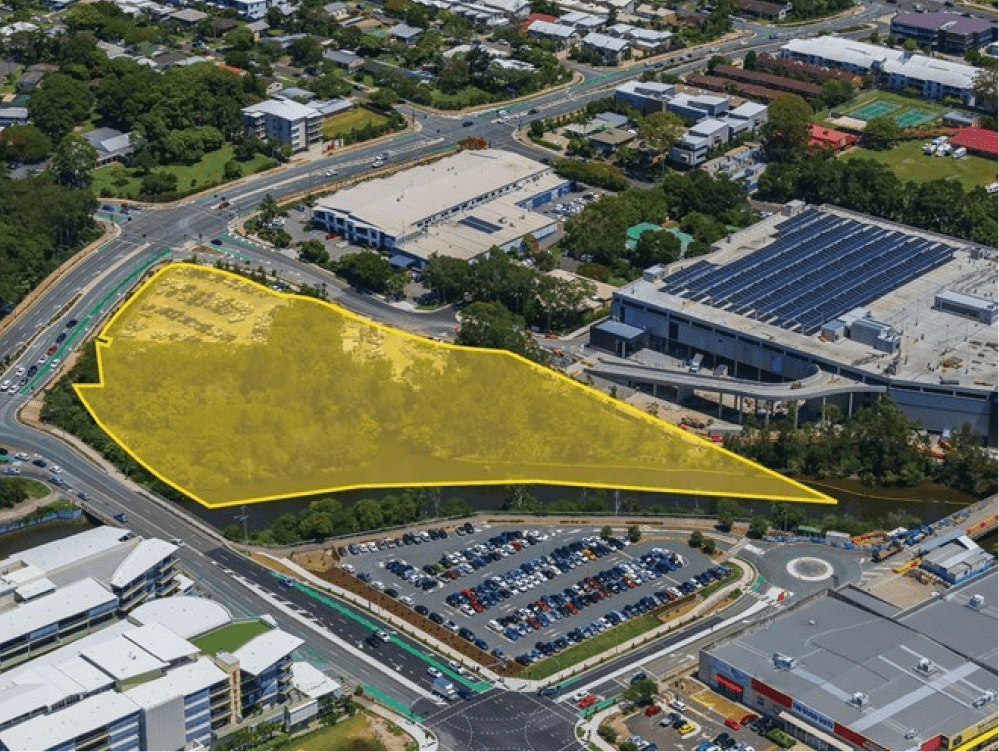

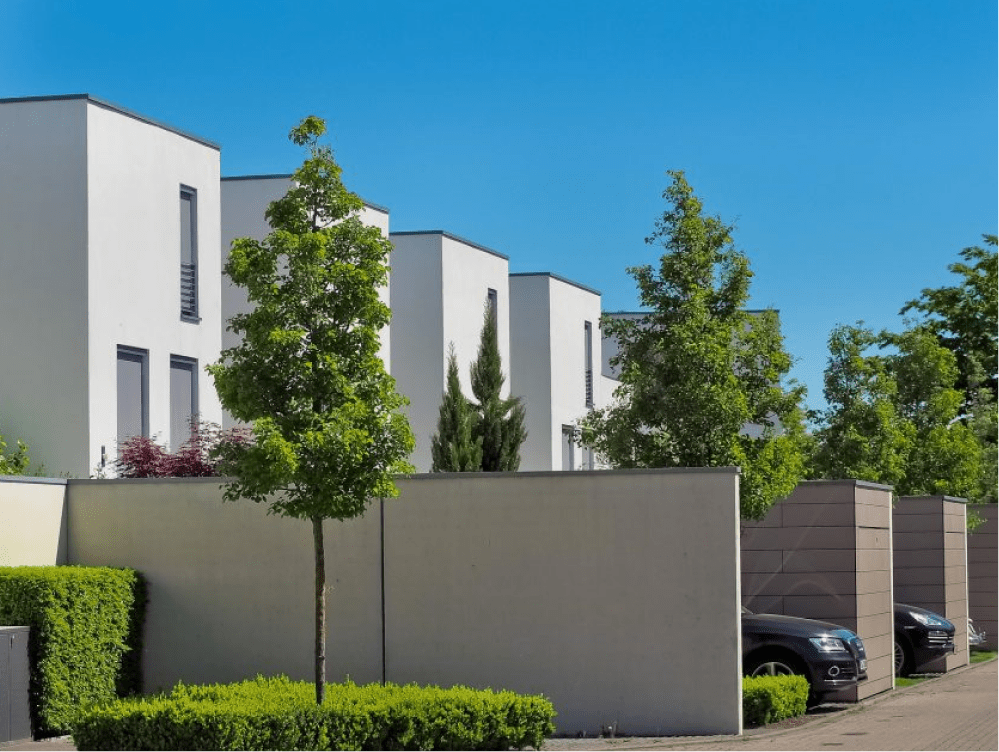



Property development loans provide funding for residential, commercial, or mixed-use projects, covering land acquisition, construction, and refinancing upon completion (e.g. residual stock loans).
Property development finance is typically structured in stages, with funds released progressively as construction milestones are met.
Property developers, builders, and investors commonly using a corporate entity (e.g. company, trust) can apply for property development finance to fund their projects.
Loan amounts vary based on project size, costs, and expected returns. Lenders assess feasibility, borrower experience, and market conditions.
Loan amounts are generally calculated using LVR (Loan to Value Ratio). It compares the loan amount to the appraised ‘as is’ value and ‘as if complete’ / ‘upon completion’ value of the property or project being financed.
Formula:
LVR = (Loan Amount / Property Value) × 100
For example, if you’re buying a development site worth $1,000,000 and borrow $700,000, your LVR would be 70%.
For construction loans, if you’re developing 10 townhouses worth $10,000,000 upon completion and borrow $7,000,000, your LVR would be 70%.